Advertising
Campaign
Advertising Campaign | Print Media |
Social Awareness Campaign
About the Campaign
Checko Facecare is a mass premium brand which targets Gen-z and the millennials. The company was a startup which wanted to enter the market with a minimal yet vibrant design language communicating a pretty frank story with their
Here’s how it turned out…


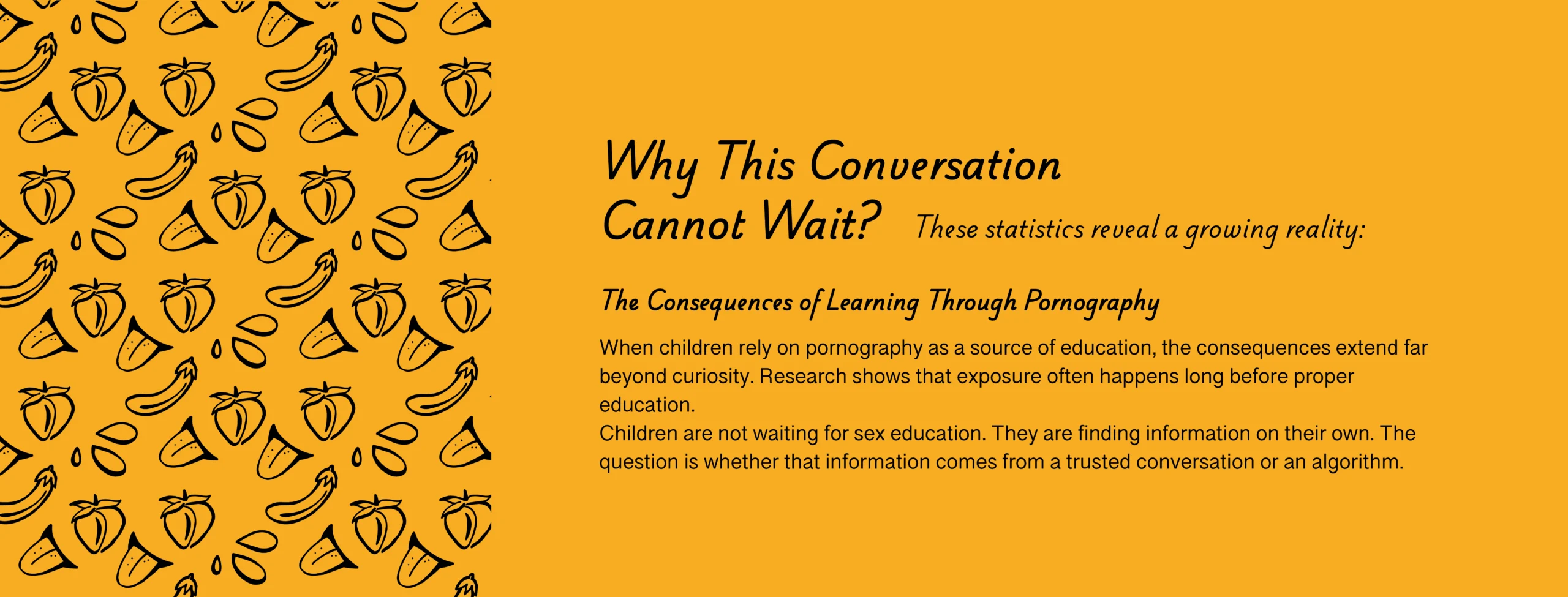
What begins as curiosity can gradually become compulsive consumption, affecting mental well-being, concentration, relationships, and overall development.
- 73% of teenagers aged 13–17 have watched pornography online, and more than half reported seeing it before the age of 13.
- 68.4% of adolescents report exposure to online pornography.
Many adolescents use pornography as a reference point for understanding sexuality and identity, despite it being an unreliable and often misleading source.
- 71% of youth aged 15–24 seek sexuality-related information online.
- 37% of young people say their understanding of pornography comes directly from social media, websites, or pornography itself.
Young people frequently compare their bodies to unrealistic portrayals seen in pornography, leading to insecurity, low self-esteem, and unhealthy attempts to alter their appearance.
- A 2026 study conducted among school students in Karnataka found that 47.4% of adolescents experienced body dissatisfaction, while 41.9% showed body image distortion, meaning their perception of their own body differed from reality. Researchers identified excessive screen exposure and media consumption as major contributing factors. (Source – https://iap-kpj.org/prevalence-and-predictors-of-body-image-distortion-and-dissatisfaction-among-school-going-adolescents-a-cross-sectional-study/?utm_source=chatgpt.com )
- Studies across regions including Maharashtra, Kerala, and Delhi have reported that 35–60% of Indian adolescents experience body dissatisfaction, reflecting the growing influence of digital media and appearance-driven content.
- (Source – https://papers.ssrn.com/sol3/papers.cfm?abstract_id=5791302 , https://indianpediatrics.net/dec2017/dec-1025-1028.htm?utm_source=chatgpt.com )
Pornography often presents distorted ideas about consent, protection, intimacy, gender roles, dominance, and healthy relationships, leading young viewers to mistake fiction for reality.
- More than half of teenage boys (53%) and 39% of teenage girls believe that the sex portrayed in pornography is realistic. (Source – Teen Vogue – https://www.teenvogue.com/story/teen-boys-porn-realistic-study )
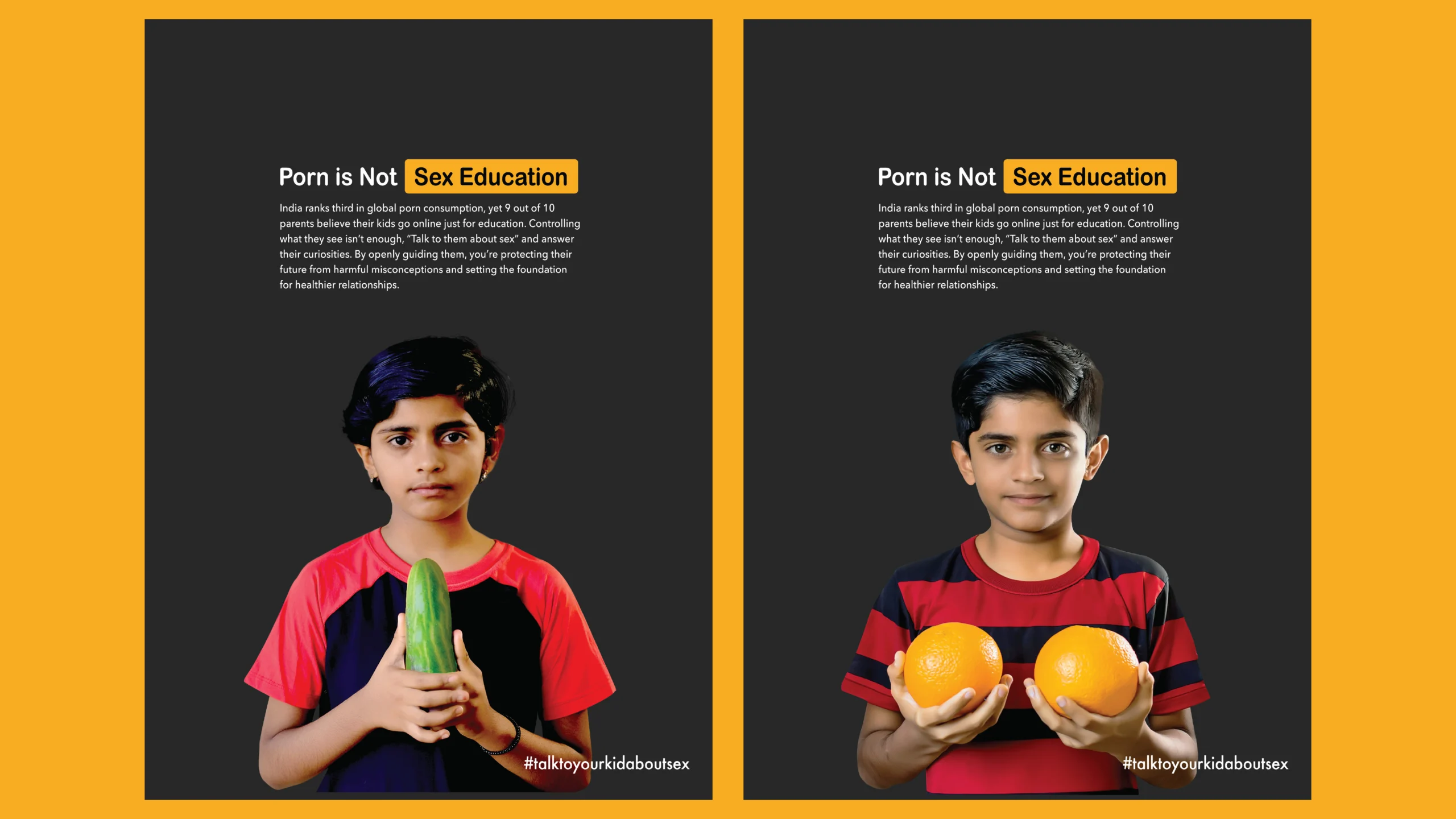
In some cases, children attempt to imitate what they have seen online, using unsafe household objects as substitutes for sexual products. Such behaviour can result in serious physical harm and even hospitalization.
- Doctors continue to report cases of children and adolescents inserting foreign objects into their bodies out of curiosity and experimentation. In the absence of proper sex education, imitation can become injury. ( Source – Protection of Children from Sexual Offences Act, 2012- https://en.wikipedia.org/wiki/Protection_of_Children_from_Sexual_Offences_Act%2C_2012 and PMC – https://pmc.ncbi.nlm.nih.gov/articles/PMC10994743 )
Excessive exposure to pornography has been linked to stress, loneliness, anxiety, emotional distress, and social isolation.
Peer groups often normalize the sharing and consumption of explicit content. In more severe cases, curiosity can escalate into harassment, hidden recordings, non-consensual image sharing, and other harmful behaviours.